
-
Chasen, Japanese Matcha Bamboo Whisk
Regular price $90.00 AUDRegular price -
Modern Chasen, Japanese Matcha Bamboo Whisk
Regular price $80.00 AUDRegular price -
Oribe Chasen Naoshi, Japanese Matcha Whisk Holder
Regular price $35.00 AUDRegular price -
Kurage Chasen Naoshi, Japanese Matcha Whisk Holder
Regular price $35.00 AUDRegular price -
Gin Chasen Naoshi, Japanese Matcha Whisk Holder
Regular price $35.00 AUDRegular price -
Ao Berubetto Chasen Naoshi, Japanese Matcha Whisk Holder
Regular price $35.00 AUDRegular price -
Ryokucha Chasen Naoshi, Japanese Matcha Whisk Holder
Regular price $18.00 AUDRegular price -
Aozora Chasen Naoshi, Japanese Matcha Whisk Holder
Regular price $18.00 AUDRegular price

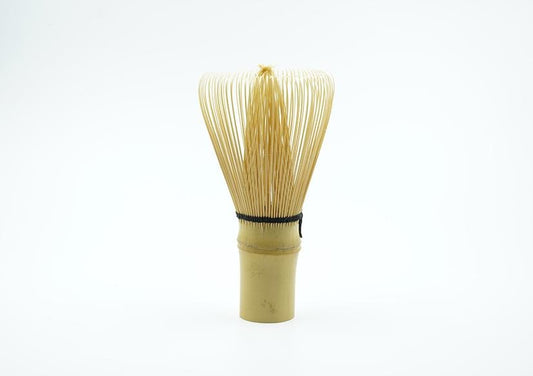



Choosing a Matcha Whisk
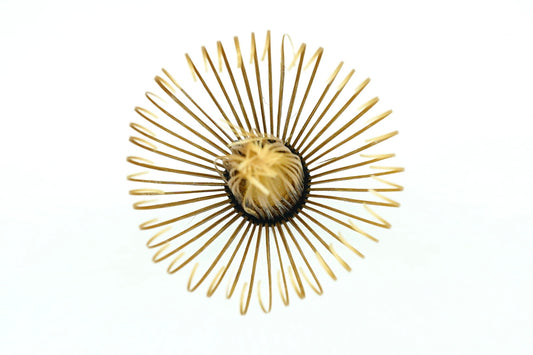
A fork will mix matcha; only a chasen breaks up the fine clumps and builds the dense, even foam that gives the tea its texture. Each whisk is carved from a single piece of bamboo — handle and tines are one continuous object, split by hand rather than assembled — in Takayama, Ikoma City, Nara Prefecture, the district that has made Japan's tea whisks for around 500 years and the reason Takayama chasen hold Japan's official Traditional Craft designation.
Ours come from Chikumeido (竹茗堂), the workshop of Kubo Sabun (久保左文), who supply no other stockist in Australia — Taka buys from them in person. Two shapes, for different vessels: the standard chasen for a chawan, and the Modern Chasen in black bamboo — slimmer, with a longer handle — for a mug or tall cup.
Matcha whisk holders (chasen naoshi)
The ceramic domes in this collection are chasen naoshi — they dry a wet whisk stretched into its correct shape instead of letting the tines collapse inward. It is the single cheapest thing you can do to make a chasen last. Ours are Mino ware from Gifu Prefecture, in two forms: fluted cones (Gin, Oribe, Kurage and Ao Berubetto) with ribbed sides and deep, broken glazes, and smooth teardrops (Ryokucha and Aozora), rounder and lighter in colour. Both fit our standard chasen.
Caring for a chasen
Soak the tines in warm water before whisking so they soften and flex. Afterwards, rinse in warm water without soap and dry on a naoshi so the shape holds. The full method — choosing, priming before first use, the whisking motion, cleaning and storage — is in our matcha whisk guide.
Prefer everything chosen for you? The Organic Matcha Ceremony Kit pairs a Chikumeido chasen with your choice of matcha and chawan in one box. We ship Australia-wide and worldwide, with free Australian shipping over $80.