
-
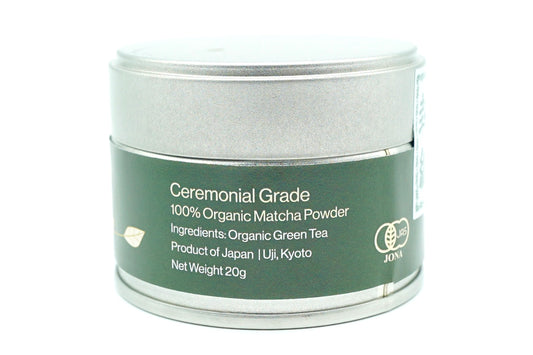
SEN Matcha, Organic, Ceremonial Grade, Kyoto
Regular price From $45.00 AUDRegular price -
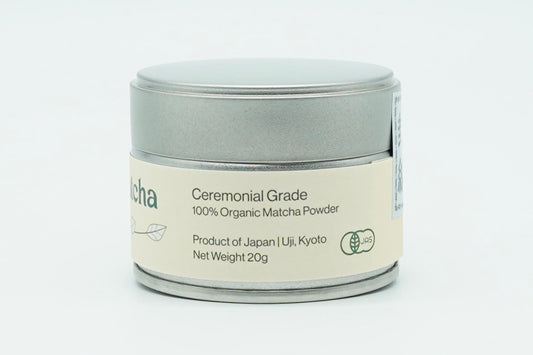
Organic Japanese Matcha, Ceremonial Grade, Kyoto
Regular price From $30.00 AUDRegular price -
Organic Japanese Matcha, Ceremonial Grade, Kagoshima
Regular price From $40.00 AUDRegular price -
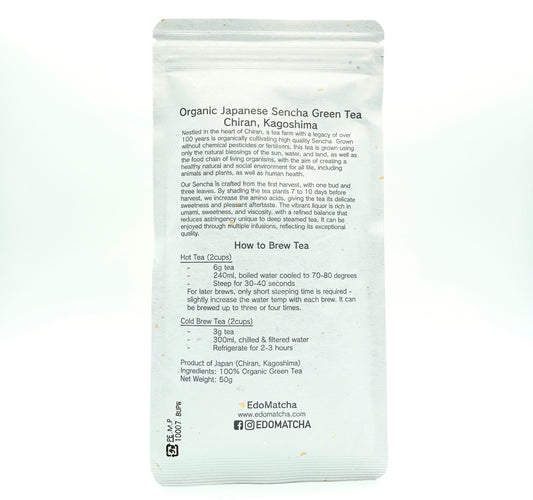
Organic Japanese Sencha Green Tea, 50g, Kagoshima
Regular price $35.00 AUDRegular price -
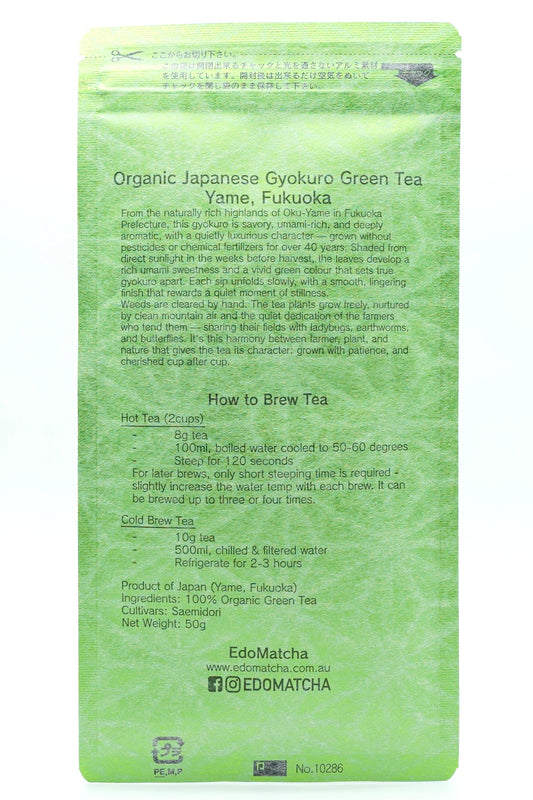
Organic Japanese Gyokuro, 50g, Yame Fukuoka
Regular price $45.00 AUDRegular price -
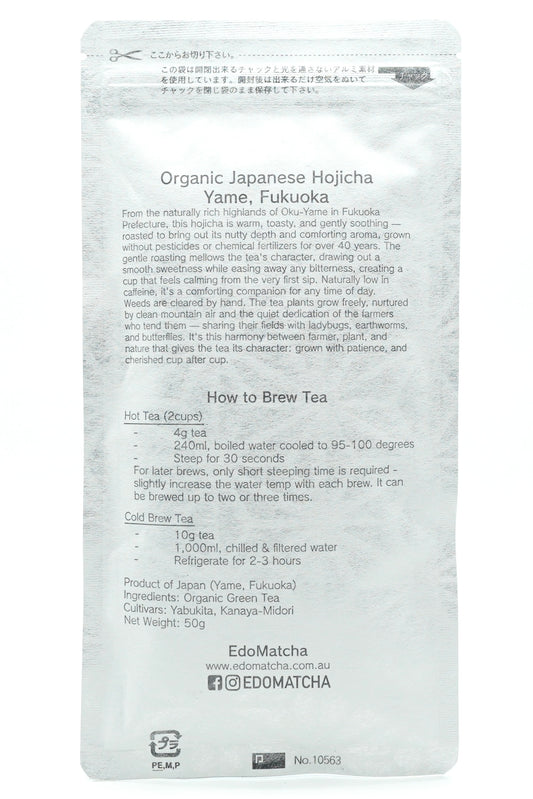
Organic Japanese Hojicha Loose Leaf Tea, 50g, Yame Fukuoka
Regular price $30.00 AUDRegular price -
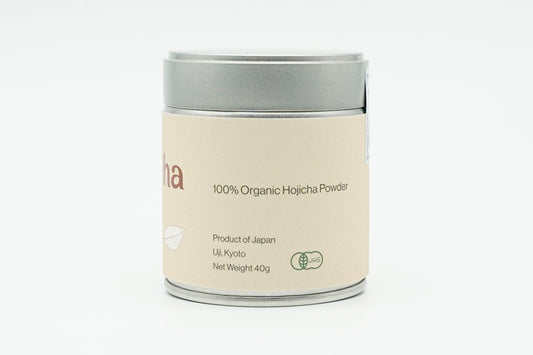
Organic Japanese Hojicha Powder, Kyoto
Regular price From $25.00 AUDRegular price -
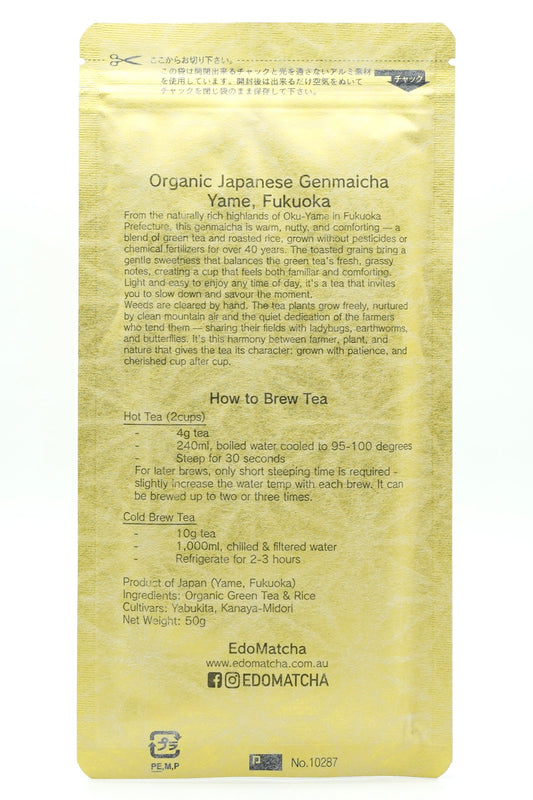
Organic Japanese Genmaicha, 50g, Yame Fukuoka
Regular price $30.00 AUDRegular price -
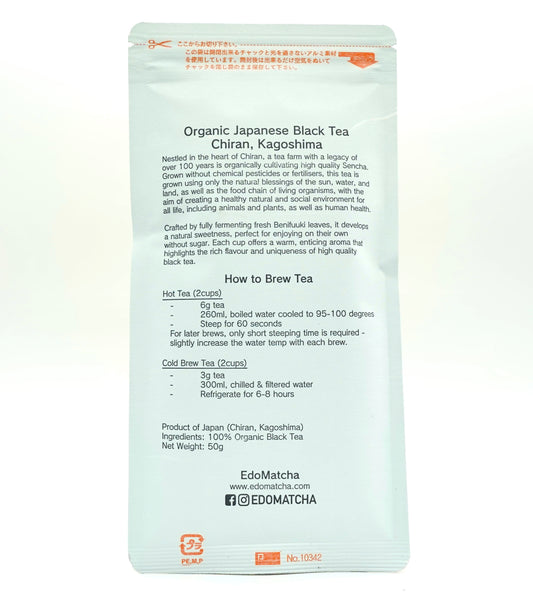
Organic Japanese Black Tea, 50g, Kagoshima
Regular price $33.00 AUDRegular price









Organic Japanese Tea, Explained
Japan produces some of the most carefully made tea in the world, but very little of it is grown organically — only around 5% of national production. Organic Japanese tea is genuinely scarce, and that scarcity is the reason we built the whole range around it. Every tea we sell carries Organic JAS certification, the Japanese government's organic standard, and comes direct from the family farms that grow it.
Where to start
Matcha is stone-ground whole leaf, whisked rather than steeped, so you drink the leaf itself. Sencha is Japan's everyday green tea — grassy, fresh, the one most people picture. Gyokuro is shaded before harvest, which makes it sweeter and deeply savoury; brew it cool and slow. Hojicha is roasted until it turns amber — gentler in caffeine, and the tea for the evening. Genmaicha blends green tea with roasted brown rice: mild, nutty, easy to drink all day. And wakōcha, Japanese black tea, is the range's quiet surprise — smooth and gentle.
Our teas come from three regions: Kyoto for matcha and hojicha powder, Kagoshima in the far south for matcha, sencha and black tea, and Yame in Fukuoka for gyokuro, hojicha loose leaf and genmaicha.
Every tea is chosen by Taka Kaneko, one of only two Japanese Tea Instructors in Australia certified by the NPO Nihoncha Instructor Association. We ship Australia-wide and worldwide, with free Australian shipping over $80.