Yunomi: A Short Guide to Japanese Tea Cups
Taka KanekoA yunomi is the everyday Japanese tea cup: usually without a handle, and small on purpose. It is the cup that sencha, gyokuro, hōjicha and genmaicha are drunk from at home, and it is the piece of teaware people think about least. This guide covers what a yunomi is, why the colour inside matters more than the pattern outside, which shape suits which tea, what the sizes mean, and where our cups are made.
It is written by Taka Kaneko, founder of EdoMatcha and one of only two Japanese Tea Instructors in Australia certified by the NPO Nihoncha Instructor Association. The cup advice here is the same advice we give in the workshop.
What a Yunomi Is
A yunomi is usually made without a handle. A tall, thick-walled cup holds heat longer than a wide, low one, and the size suits the way Japanese green tea is brewed: small servings, poured again and again from the pot. Refills are the hospitality. Some of our cups do have a handle: the range also holds handled tea mugs and cup-and-saucer sets for anyone who likes a bigger cup.
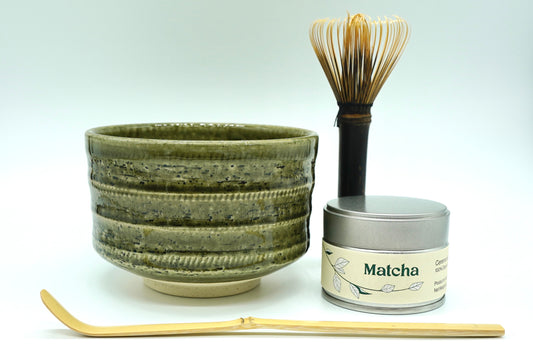
A yunomi is not a matcha bowl. Matcha is whisked in a chawan, which is wide enough to whisk in. A yunomi is for tea brewed from leaf, poured from a kyusu.

Why the Inside Colour Matters
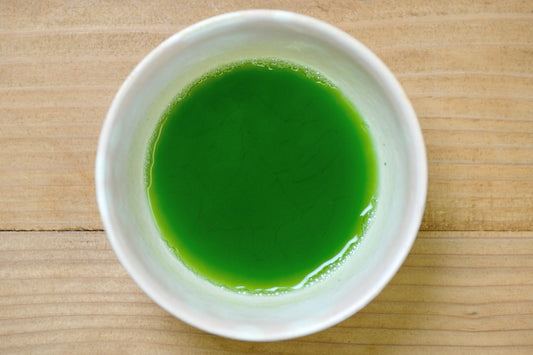
In the workshop we call a pale interior your instrument panel. The colour of the tea tells you its strength and its freshness at a glance: the bright yellow-green of a fresh sencha, the deeper green of a gyokuro, the amber of a hōjicha brewed right. A white or off-white inside shows that colour honestly. A dark glaze hides it, which can be beautiful, and is also why you cannot read the tea in it.
One Japanese tea reference goes a step further: it recommends a bluish-white interior for green tea, and for a top-grade tea a plain inside with no pattern, so nothing competes with the liquor.
Which Shape for Which Tea
| Tea | Cup | Why |
|---|---|---|
| Sencha, gyokuro | Wide and low | Aroma rises off a wide surface, and the tea cools quickly to drinking temperature |
| Hōjicha, genmaicha, bancha | Tall and thick-walled | These are brewed with hotter water and want a cup that holds the heat |
| A fine sencha or gyokuro | Thin porcelain | A thin rim sharpens a delicate tea |
| The roasted teas | Rustic pottery | Thick stoneware suits the roasty ones |
| Cold brew | Glass | Glass belongs to cold brew, where the colour is the point |
These are tendencies, not rules. We tell workshop guests to break the rules on purpose and notice what changes, and the same goes for cups.
Size: Small on Purpose
Japanese green tea is brewed in small amounts. In the workshop we pour about 40 ml for gyokuro and around 100 ml for sencha, then pour again. So a Japanese tea cup is smaller than a Western mug by design, and a cup that looks too small in the photo is usually the right size.
Our cups run from under 100 ml to 560 ml (the two Jōmon cups, which are closer to a mug), and many sit between 170 and 250 ml. A rough guide from our own shelves: 110 to 160 ml for gyokuro and for sharing a pot of sencha between friends; 170 to 250 ml for a sencha cup you refill through the morning; 300 ml and up for an evening hōjicha or genmaicha, where a bigger, thicker cup is the point.
Where Our Cups Come From
Every yunomi we sell is made in Japan, and nearly all of them come from four pottery regions.
- Mino, Gifu Prefecture. The largest group in our range. Mino ware has been made in Gifu for more than 1,300 years and is the most widely produced ceramic in Japan, known for the sheer variety of its glazes. The glazes vary from cup to cup, so no two are quite alike. Harugasumi, Kissa, Tsukikage, Oribe Hime and Kuro to Shiro are Mino.
- Hasami, Nagasaki Prefecture. Porcelain: lighter and harder than stoneware, made for everyday use. Hasami has a ceramic tradition of more than 400 years and is still one of Japan's top three regions by shipment value for everyday tableware. Aoi Hana, Dragon, Hanamon and Karakusa are Hasami.
- Kutani, Ishikawa Prefecture. Kutani ware dates back to the 17th century and is celebrated for its rich, glassy overglaze and detailed, vivid artistry. Fūjin and Raijin, Wabana, Himawari, Hanzakura and Ichirinso are handleless yunomi. The Great Wave, Sumo Wrestler, Ao Botan and Yoru no Hana have a handle, like a small mug. Together they are the most colourful cups in the collection.
- Arita, Saga Prefecture. One cup, the Shinsha-Nagashi, from the Kasen kiln, thrown with a lightly textured surface.
Because glazes vary from one piece to the next, the colour and the size of a cup can differ a little from the photo. That is the pottery, not a fault.

Sets of Five, or a Pair
Several of our cups come as sets of five, including Ai, Kaze, Matsuri, Nagisa and Wa. For two people, a pair of different cups, one pale and one dark, is the more common way to buy, and it lets each drinker keep their own. For loose-leaf tea our tea sets pair a kyusu with matching cups.
Caring for a Yunomi
Rinse it after use and let it dry. A tea stain inside a pale cup is normal. It is also the reason the pale interior is useful: the same surface that shows the stain shows the tea.
Common Questions
Is a yunomi the same as a chawan?
No. A chawan is the wide bowl matcha is whisked in. A yunomi is the cup that brewed leaf tea is drunk from. Our guide to choosing a matcha bowl covers the other one.
Can I drink matcha from a yunomi?
You can drink matcha from anything, but whisk it in a bowl. The whisk needs room to move, and a yunomi is sized for sipping, not whisking.
Do Japanese tea cups have handles?
Usually not. A yunomi is the everyday Japanese tea cup, sized for the small servings green tea is brewed in and poured again and again from the pot. Some cups do have a handle, and our range includes handled tea mugs and cup-and-saucer sets for anyone who likes a bigger cup.
Start Here
Pick the tea first, then the cup: wide and pale for sencha, thick and tall for hōjicha, small for gyokuro. Every cup we sell is made in Japan and chosen by Taka. Ships Australia-wide and worldwide, with free Australian shipping over $100.
All Japanese tea cups · Kyusu teapots · Tea sets · Organic Japanese tea