How to Make Matcha: The Ratio, the Temperature and the Technique
Taka KanekoMaking matcha well comes down to three numbers and one motion. Get them right and the bowl is sweet, smooth and full-bodied. Get them wrong, and almost everyone gets the first one wrong, and it comes out either thin and watery or thick and harsh. That single bad bowl is why a lot of people decide they don't like matcha.
This is the method I gave The Guardian in August 2026, written out properly, with the parts that did not fit in a newspaper column.
Taka Kaneko, founder of EdoMatcha and a Japanese Tea Instructor certified by the NPO Nihoncha Instructor Association
You Don't Need to Buy Anything to Start
Let me say this before the shopping list, because it is true and nobody selling matcha ever says it: if you have matcha and a spoon, you can make a drinkable bowl today.
Stir the powder into a small splash of water first, working it into a smooth paste against the side of the cup, then top up with the rest of the water. It will not be silky and it will not carry a proper foam, but it will be matcha, and it will tell you whether you like the taste before you spend anything on equipment.
A chasen matters when you want the texture: the fine, stable microfoam that holds the powder in suspension and makes matcha taste smooth rather than gritty. Nothing else does that job as well. But it is the second purchase, not the first.
The Ratio: The One Thing Most People Get Wrong
1.5 to 2 grams of matcha to 60 to 80ml of water.
That is the whole answer, and it is the mistake I see most often. Too little powder and the bowl tastes thin and watery, like green water. Too much and it turns thick and astringent, gripping the sides of your tongue.
People usually blame the matcha for both. It is normally the ratio.
| Style | Matcha | Water | What you get |
|---|---|---|---|
| Usucha (thin tea, the everyday bowl) | 1.5–2g | 60–80ml | Light, frothy, drunk in a few mouthfuls. This is what most people mean by "matcha". |
| Koicha (thick) | roughly double | roughly half | Closer to warm paint than tea: glossy, intense, sipped slowly. Use your best matcha; there is nowhere to hide. |
| Latte base | 2g | 60ml, then milk | Whisk it as usual first, then add milk. Do not whisk matcha straight into cold milk. |
How Much Matcha Is 2 Grams?
Two scoops with a chashaku, the slim bamboo scoop. That is what it is designed for, and it saves you weighing anything.
Without one, a level teaspoon is close, but scoops and spoons vary more than you would think. Weigh it once on a kitchen scale and look at it. After that you will recognise the amount by eye forever, and you will never need the scale again.
Water Temperature: 70 to 80°C
Never use boiling water. It scorches the powder, and scorched matcha is bitter in a way no amount of sugar or milk will fix. This is the second most common mistake after the ratio.
Matcha is drunk far cooler than most people expect. 70–80°C is warm, not hot.
Three ways to get there without a thermometer:
- Boil, then wait. Bring fresh water to a full boil, then leave it to stand for a few minutes. Always boil first, because it drives off dissolved gases and gives a cleaner taste, then let it fall.
- Pour it between two cups. Every transfer sheds heat quickly.
- Use a yuzamashi. A hot water cooler, a wide, shallow vessel made for exactly this. Pour the boiled water in, let it sit while you sift your matcha, and it arrives at roughly the right temperature. It is the traditional solution and it is genuinely the easiest one.
The Motion: An "M", Not a Circle
Whisk in an "M" shape: a brisk zigzag back and forth across the bowl. Some people picture it as a "W"; it is the same movement either way.
Not a circle. Stirring in circles pushes the powder out to the rim and builds big, loose bubbles that collapse within seconds. The back-and-forth motion drives the tines through the whole volume of liquid and produces the fine, dense foam you are after.
Two things that matter more than effort:
- Whisk from the wrist, not the arm. Speed comes from a loose wrist. Pressing harder does nothing except splinter the tines of your whisk.
- Start slowly, then speed up. A slow start breaks up the clumps; the fast finish builds the foam. Going hard from the first second just throws powder up the sides of the bowl.
Step by Step
- Prime the whisk. Stand your chasen in warm water for a minute so the tines soften and open. Skipping this is how new whisks break. The whisk guide covers it in full.
- Warm the bowl. Pour hot water in, swirl, tip it out. Cold ceramic pulls the heat straight out of 70ml of tea.
- Sift the matcha. 1.5–2g through a fine sieve into the dry bowl. Matcha clumps as it sits, and sifting removes most of the work before you start.
- Add the water. 60–80ml at 70–80°C.
- Whisk. The "M" motion, slowly at first, then briskly, keeping the tines just off the base of the bowl. Ten to fifteen seconds is usually enough.
- Finish the surface. Once the foam is fine and even, slow right down and draw the whisk gently across the top to break any large bubbles. Lift it out through the centre.
- Drink it now. Matcha separates as it stands. It is made to be drunk immediately, not carried around.
What Went Wrong: A Troubleshooting Table
| Problem | Usual cause | Fix |
|---|---|---|
| Lumpy, powder floating on top | Not sifted, or the whisk was never primed and the tines are too stiff | Sift before adding water. Prime the whisk. |
| Bitter and harsh | Water too hot, too much powder, or a later-harvest matcha | Drop the temperature. Check the ratio. Check what you bought. |
| No foam at all | Too little powder, too much water, or a circular stirring motion | More powder, less water, zigzag motion. |
| Thin and watery | Too much water for the powder | Stay at 60–80ml. |
| Grit in the last mouthful | The powder never fully suspended | Sift, and whisk a little longer. |
| Foam vanishes in seconds | Big unstable bubbles from stirring in circles | Finish by skimming the surface slowly. |
Making a Matcha Latte
Whisk it properly first, then add the milk. That is the whole trick. Make a normal bowl with about 60ml of water, then pour it into your milk, hot or cold.
Whisking matcha directly into milk does not work well: milk is thicker than water and the powder does not disperse, so you end up with lumps that never break down. Use a little more powder than usual, because milk mutes the flavour.
Which Matcha to Use
The technique cannot rescue a poor powder. What you are looking for is first-harvest leaf, the year's first picking, which is where the sweetness and umami come from. Later harvests grow coarser and more astringent, and no method fixes that.
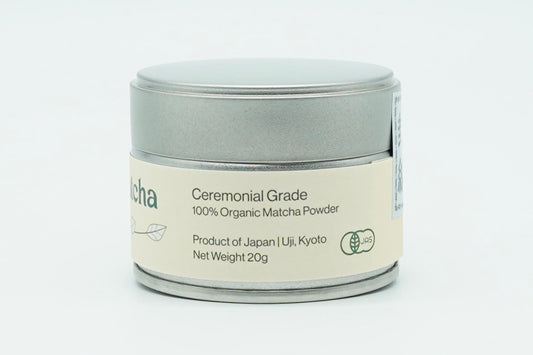
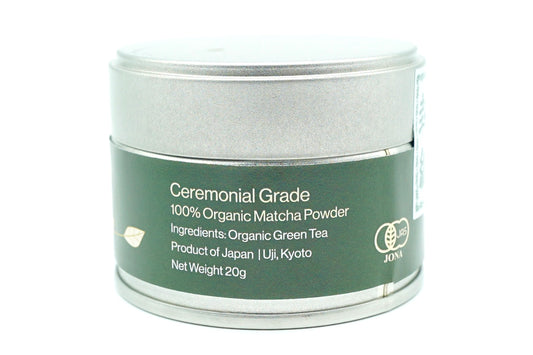
"Ceremonial grade" is not a regulated term, so it is worth checking what is actually behind it. All three of our matcha are organic, ceremonial grade and first harvest.
The one-minute version, from the EdoMatcha channel.
Common Questions
How much matcha per cup?
1.5 to 2 grams, about two chashaku scoops, into 60 to 80ml of water. For a latte, use the same powder with about 60ml of water, then add milk.
Can I use boiling water for matcha?
No. Boiling water scorches the powder and makes it bitter. Boil the water, then let it fall to 70–80°C before you pour.
Do I really need a bamboo whisk?
Not to start. A spoon will mix it, and an electric frother will make it bubbly. Neither produces the fine, stable microfoam of a chasen, which is what makes matcha taste smooth instead of gritty. If you drink matcha on its own rather than in milk, the difference is obvious.
Why is my matcha bitter?
In order of likelihood: the water was too hot, you used too much powder for the water, or the matcha itself is from a later harvest. Fix them in that order.
Can I make matcha with cold water?
Yes, and it is worth trying in summer. Cold water pulls less bitterness out of the leaf, so it tastes noticeably sweeter and softer. It will not foam the same way, so shake it in a sealed bottle or whisk it longer.
Should I sift matcha every time?
It is optional, but it makes the whisking far easier and it is the quickest cure for lumps. Matcha compacts as it sits in the tin, and sifting undoes that.
What You Need
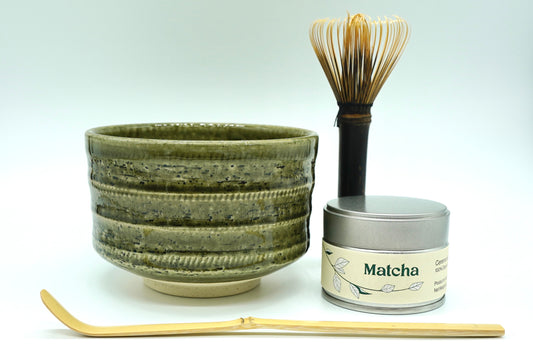
- Organic ceremonial matcha: first harvest, from Kyoto and Kagoshima
- A chasen, hand-carved in Takayama, Nara, and a naoshi to dry it on
- A chawan: wide enough to whisk in without the tines catching
- A chashaku: two scoops is roughly 2g
- A yuzamashi: for getting the water to temperature
Or take the Complete Matcha Ceremony Kit, which lets you choose your matcha, bowl, whisk and holder as one matched set at 10% less than buying the parts separately.
New to matcha altogether? Start with what matcha is and how to choose it. Ready to look after your whisk properly? That is the chasen guide.
Free shipping across Australia on orders over $100, and we ship worldwide.